
Funding 101: Crafting a realistic budget
Infobank
|
⌛ 6 min read
Funding 101: Crafting a realistic budget
Knowing how to craft a realistic budget is one of the first steps to becoming a great producer. As filmmakers, we all know that money is one of our biggest challenges, and getting it isn’t as simple as pitching an idea and instantly getting funded. It’s also not just about having a strong concept—you need to understand every aspect of your project and be able to back it up.
When you can show funders exactly what you need and how you’ll use it, you’re already ahead. Yes, funders want a good story with creative potential, but they also need to trust that their money will be used wisely and with integrity. A well-crafted budget can make the difference between getting the green light or being passed over.
So, what exactly is a realistic budget?
A realistic budget is one that accurately reflects the true costs of making your film from start to finish. It’s detailed, specific, and takes into account all the expenses required to bring your vision to life, including pre-production, production, post-production, and marketing. More than just numbers on a page, a realistic budget also factors in potential risks or unexpected costs by including a contingency fund. Importantly, it’s transparent, which means that funders can see exactly how their money will be used and how it’s tailored to the unique needs of your project as well as the expectations of your funders.
And how do you do all of that? Well, we have some key steps for you to take note of before you get started!
Step 1: Understand the scope of your project
Before you dive into the numbers, it’s essential to have a clear understanding of your film’s overall scope. How big or small is the project? What are the key elements that will drive costs—locations, cast, crew, equipment? The clearer you are about what your project needs, the more accurate your budget will be.
- Tip: Break your film down scene by scene, taking note of any special requirements like VFX, stunts, or travel. This will help you capture the costs you might otherwise overlook so be as specific as you can be.
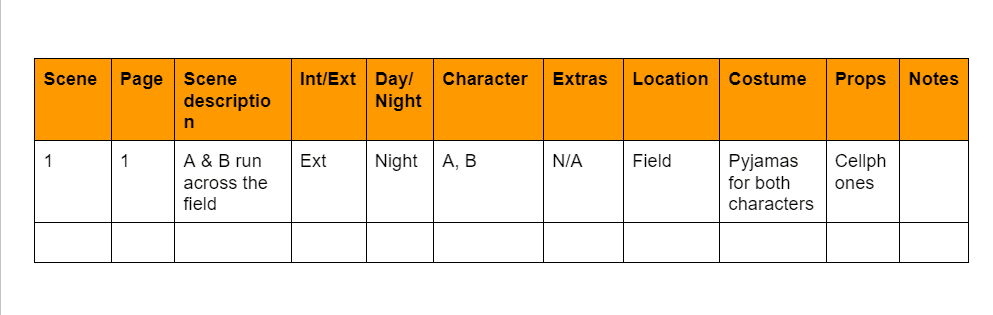
This is an example of a script breakdown template that you can use. Each column helps you get to the nitty gritties of your project. Depending on your project's scope, you may need additional columns, such as those for VFX, stunts, or other specific elements. The notes section is specifically included to outline any special requirements and instructions from the director for each scene.
Step 2: Research the costs
The cost of filming varies across South Africa depending on where you’re shooting and what resources are available. Research the current rates for crew, equipment rental, permits, and locations specific to your region. And if you're applying for international funding, remember to account for fluctuating exchange rates.
- Tip: Talk to local film professionals to get a sense of what the standard rates are, or check out resources like CALL A CREW to get an outline of what the actual crew rates look like.
You need to be clear on this because these are costs that you are going to have to account for once you have the funds.
Step 3: Break down your budget into categories
A realistic budget is detailed and broken down into clear categories. Funders want to see exactly where their money is going, so avoid lump sums. Here are some key categories you should include:
1. Pre-Production
This includes everything from script development, location scouting, and casting to legal fees and securing permits. In South Africa, be sure to account for the costs of filming permits, BEE compliance, and any special requirements related to local regulations.
2. Production
This is where the bulk of your costs will fall, including your total cast and crew rates, equipment rentals, set design, transportation, accommodation, and catering. Be specific about how many days of filming are needed, and budget for each day.
3. Post-Production
Post-production includes editing, sound design, visual effects, colour grading, and music rights. Funders will want to see that you've planned for every detail, including subtitling, etc.
4. Contingency
It’s crucial to budget for the unexpected—equipment breakdowns, weather delays, or last-minute changes. A good rule of thumb is to set aside 10-15%% of your budget for unforeseen expenses. Funders appreciate seeing that you’re prepared for any surprises.
How do you calculate contingency? Total budget X 10% = Contingency
5. Marketing and Distribution
Don't overlook this! How will you get your film in front of audiences? Whether it's festival submissions, social media campaigns, or creating press kits, include these costs upfront. Highlighting the platforms you’d like to distribute your film on or film festivals you’d like to submit to, will show funders that you have some ideas on what your distribution plan will look like.
Step 4: Be transparent with your numbers
Funders value transparency, so make sure you provide accurate figures and don’t try to hide costs in vague categories. Break everything down in detail so that they can see how much you’ll need for each element of your film.
- Tip: Show your research! Attach quotes for equipment rentals or rates where possible, and explain any significant expenses in your application notes, if need be.
Step 5: Align with the funders' values
Different funding bodies, like the National Film and Video Foundation (NFVF) or private investors, may have specific goals. Ensure your budget reflects your understanding of their priorities, whether it’s promoting local talent, focusing on underrepresented communities, or aligning with BEE standards.
- Tip: As we’ve already said, some funders have specific goals—such as promoting local talent, job creation or telling South African stories—so align your budget with their mission. You’re gonna need to thoroughly read those funding policies.
A well-crafted budget isn’t just a financial plan—it’s a roadmap that shows funders you’re serious about your project and that their investment will be well-managed. By taking the time to research, break down your costs, and tailor your budget to specific funders, you’ll stand a much better chance of securing the funding you need.
Whether you're applying to local grants, like those from the NFVF, or seeking private investors, crafting a realistic budget is your first step toward bringing your vision to life. Make sure it’s detailed, transparent, and aligned with the funders' priorities, and you’ll increase your chances of success.
Here’s to securing that funding!
Let us know what you think about this article on our social media platforms. We’d love to hear from you!